Elevating User Experience
Designing Intuitive and Engaging Websites
In the realm of web design, creating a visually appealing website is just the tip of the iceberg. The real magic happens when your design seamlessly guides users through their journey, delivering an exceptional user experience (UX). Here’s how to craft websites that leave a lasting impression:
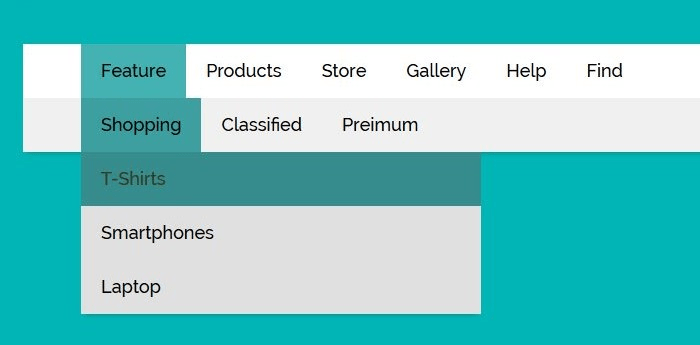
Clear Navigation: Intuitive navigation is the cornerstone of a great UX. Arrange your menu logically and keep it consistent across pages, so visitors can easily find what they’re looking for.
Compelling Call-to-Actions (CTAs):
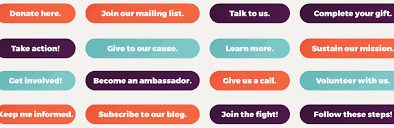
CTAs are the driving force behind conversions. Make them visually distinct, action-oriented, and placed strategically to guide users toward their next step.
Whitespace Mastery:
Embrace whitespace to create breathing room between elements. This enhances readability and prevents visual clutter, contributing to a more enjoyable browsing experience.
CTAs are the driving force behind conversions. Make them visually distinct, action-oriented, and placed strategically to guide users toward their next step.

Visual Heirachy
Utilize visual hierarchy to emphasize important content. Larger fonts, contrasting colors, and prominent placement ensure that key messages don’t go unnoticed.
Loading Speed
In a fast-paced digital world, slow loading times can be a deal-breaker. Optimize images and code to ensure your website loads swiftly on all devices.
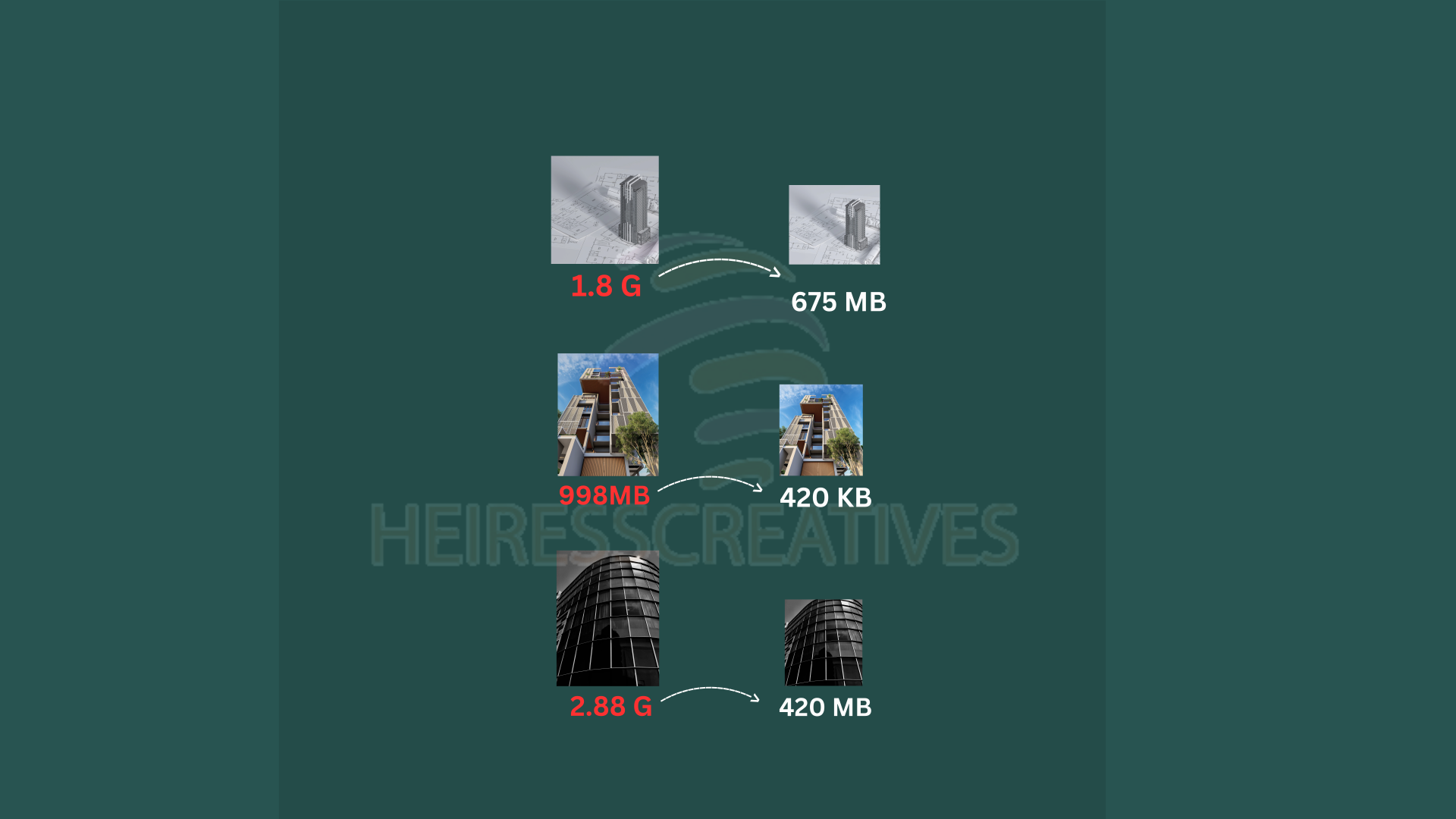
Responsive Imagery: Images should be responsive too. Use CSS to ensure that images scale appropriately and maintain their quality on different screens.
Storytelling Elements: Incorporate storytelling elements into your design. Engaging narratives, accompanied by visuals, can captivate users, and keep them scrolling.
Feedback and Validation: Provide instant feedback when users take action. For instance, show a success message after form submissions to assure users their action was successful.
Accessibility Considerations: Ensure your design is accessible to all users, including those with disabilities. Use alt text for images, create a clear contrast between text and background, and implement keyboard navigation.
Mobile-First Approach: With mobile usage on the rise, prioritize the mobile experience during design. This ensures your website looks and functions well on smaller screens.
Remember, user experience is an ongoing journey. Regularly gather feedback, analyse user behaviour, and make iterative improvements to ensure your website continually evolves to meet your visitors’ needs.