Converting Visitors into Customers !
The Art of Conversion Rate Optimization (CRO)
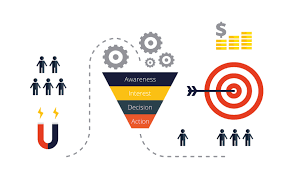
Designing a stunning website is only half the battle; converting visitors into customers is where the real victory lies. Conversion Rate Optimization (CRO) is the strategic process of fine-tuning your website to encourage more visitors to take desired actions. Here’s your guide to mastering CRO:
Data-Driven Insights: Begin with data analysis. Understand your visitors’ behavior through tools like Google Analytics. Identify drop-off points and areas for improvement.
Clear Value Proposition: Communicate your unique value proposition upfront. Within seconds, visitors should understand what you offer and why it matters to them.
A/B Testing: Experiment with different variations of elements like headlines, CTAs, and layouts. A/B testing helps you identify what resonates best with your audience.
Simplified Forms: Lengthy forms can deter conversions. Keep forms concise, asking only for essential information. Consider multi-step forms for complex information gathering.
Trust Signals: Establish trust through testimonials, reviews, trust badges, and privacy assurances. A trustworthy website encourages visitors to engage confidently.
Scarcity and Urgency: Limited-time offers and scarcity tactics can prompt visitors to take action sooner rather than later.
Visual Cues: Use visual cues like arrows, lines, and eye-catching graphics to guide visitors’ attention towards important elements and CTAs.
Page Speed Optimization: Slow loading times frustrate users and hurt conversions. Optimize images, minimize code, and leverage browser caching for swift page loads.
Mobile Optimization: Mobile users are a significant portion of your audience. Ensure your mobile experience is seamless to capture conversions from all devices.
Exit-Intent Popups: Utilize exit-intent popups to present offers or capture email addresses before visitors leave your site.
CRO is an ongoing process that requires continuous testing and refinement. By strategically enhancing your website’s conversion pathways, you’ll drive more valuable actions from your visitors.