The Future of SEO if ChatGPT Kills Search Engines
if ChatGPT Kills Search Engines
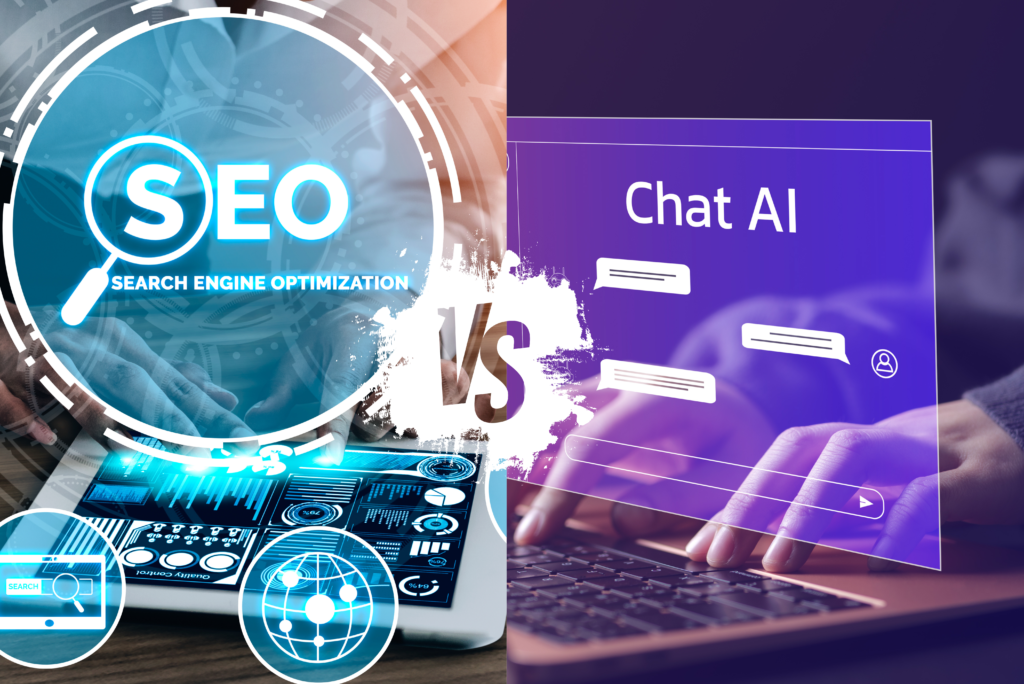
In the dynamic world of digital marketing, Search Engine Optimization (SEO) has been a cornerstone for over two decades. SEO has shaped how content is created, how businesses reach their audience, and how information is found online. However, with the rise of advanced AI models like OpenAI’s ChatGPT, we stand at the brink of a potential paradigm shift. What if ChatGPT and similar AI technologies become the primary means of obtaining information, effectively “killing” traditional search engines? This blog explores the future of SEO in such a scenario, examining the implications for businesses, marketers, and users alike.
Overview of Traditional SEO

Before delving into the potential future, it’s essential to understand the current landscape of SEO. Search engines like Google, Bing, and Yahoo have dominated the way we find information online. These platforms use complex algorithms to rank web pages based on relevance, quality, and user experience. SEO professionals optimize content to align with these algorithms, employing strategies such as keyword research, backlink building, and on-page optimization.
The Rise of ChatGPT and AI Models
ChatGPT, developed by OpenAI, represents a significant leap in natural language processing. It can generate human-like text, answer questions, and provide information in a conversational manner. Unlike search engines, which return a list of links for users to sift through, ChatGPT delivers direct answers. This capability has raised questions about the future role of traditional search engines and how AI might transform the way we interact with information.

Direct Information Retrieval

One of the most significant advantages of ChatGPT is its ability to provide direct answers to user queries. Instead of navigating through multiple search results, users can get immediate, concise responses. This shift could drastically reduce the reliance on search engines, leading to a decline in their usage.
Personalized user experience

ChatGPT can tailor its responses based on individual user preferences and past interactions, offering a highly personalized experience. This capability surpasses the personalized search results that search engines currently offer. As AI continues to improve, the customization and relevance of information provided by ChatGPT could further diminish the need for traditional search methods.
Integration with Other Technologies
AI models like ChatGPT can seamlessly integrate with various technologies, such as virtual assistants, smart devices, and business applications. This integration expands the reach of AI beyond the web, embedding it into daily life and professional environments. As a result, the traditional search engine could become just one of many ways users access information.

The Evolution of SEO in an AI-Dominated Landscape.
Redefining SEO Strategies.
If ChatGPT becomes the primary source of information, SEO strategies will need to evolve significantly. Traditional tactics like keyword optimization and backlink building might lose relevance. Instead, the focus will shift to optimizing content for AI understanding and interaction.
Emphasis on Content Quality and Relevance

With AI models prioritizing direct and relevant answers, content quality will become even more critical. Businesses and content creators will need to produce high-quality, authoritative content that AI models can easily reference and use to generate accurate responses. This shift will likely emphasize in-depth research, factual accuracy, and comprehensive coverage of topics.
Structured Data and Semantic Markup
To optimize content for AI models, the use of structured data and semantic markup will become essential. These tools help AI understand the context and meaning of content, improving the accuracy of responses. Businesses will need to invest in technologies and strategies that enhance the machine readability of their content.
The Role of Content Creators and Marketers
Collaboration with AI
Content creators and marketers will need to collaborate with AI technologies to stay relevant. This collaboration involves understanding how AI models work, what data they rely on, and how to optimize content for AI consumption. Marketers will need to stay updated on AI advancements and continuously adapt their strategies.
Leveraging AI for Content Creation
AI tools can assist in content creation, from generating ideas to writing and editing. By leveraging these tools, content creators can produce high-quality content more efficiently. However, human oversight will remain crucial to ensure the content aligns with brand voice and values and meets quality standards.
Focus on User Experience
As AI models like ChatGPT become more integrated into everyday life, user experience will take center stage. Businesses will need to focus on creating seamless, engaging experiences across all touchpoints. This approach includes optimizing content for various platforms and ensuring consistency in messaging and quality.
Challenges and Opportunities
Data Privacy and Security
The increased reliance on AI for information retrieval raises concerns about data privacy and security. Businesses will need to navigate these challenges by implementing robust data protection measures and ensuring compliance with relevant regulations. Transparency about data usage will also be essential to maintain user trust.
Adapting to Rapid Changes
The pace of technological advancements in AI is rapid, requiring businesses and marketers to be agile and adaptable. Continuous learning and innovation will be necessary to keep up with changes and leverage new opportunities. Staying ahead in the AI-dominated landscape will require a proactive approach to adopting new tools and strategies.
Opportunities for Innovation
The shift towards AI-dominated information retrieval presents numerous opportunities for innovation. Businesses can explore new ways to engage with their audience, develop unique content formats, and create personalized experiences. The integration of AI across various aspects of digital marketing opens up possibilities for enhanced efficiency and effectiveness.
Case Studies and Real-World Examples
Early Adopters of AI in SEO
Several businesses have already started incorporating AI into their SEO strategies. For example, companies using AI-driven tools for content optimization, keyword analysis, and user behavior insights have seen significant improvements in their search rankings and user engagement. These early adopters provide valuable insights into the potential benefits and challenges of integrating AI with SEO.
AI-Powered Content Creation
Brands leveraging AI for content creation, such as automated news generation and personalized content recommendations, have demonstrated the effectiveness of AI in enhancing user experience and engagement. These case studies highlight how AI can complement human creativity and improve content relevance and quality.
Transformative Impact on Industries
Industries such as e-commerce, healthcare, and education are experiencing transformative impacts from AI integration. In e-commerce, AI-powered chatbots and personalized recommendations are revolutionizing customer service and shopping experiences. In healthcare, AI models assist in diagnostics and personalized treatment plans, while in education, AI-driven platforms provide personalized learning experiences.
The Future of SEO: Predictions and Speculations
AI as the New Search Standard
If ChatGPT and similar AI models continue to advance, they could become the new standard for information retrieval. Search engines might evolve to incorporate more AI-driven features, blending traditional search with conversational AI. This hybrid approach could offer users the best of both worlds: comprehensive search capabilities and direct answers.
The Role of Voice Search and Virtual Assistants
Voice search and virtual assistants are already gaining popularity, and their integration with AI models will likely accelerate. As more users turn to voice-activated devices for information, SEO strategies will need to adapt to optimize for voice search. This shift will require a focus on natural language processing and understanding user intent.
The Importance of Human-AI Collaboration
Despite the advancements in AI, human input will remain crucial. AI models like ChatGPT rely on large datasets to generate responses, but they can still make errors or produce biased content. Human oversight and collaboration will be essential to ensure the accuracy, relevance, and ethical standards of the information provided.
Preparing for the AI-Driven Future of SEO
Continuous Learning and Adaptation
To thrive in an AI-driven future, SEO professionals and marketers must commit to continuous learning and adaptation. Staying informed about AI advancements, understanding how AI models work, and experimenting with new strategies will be key to staying competitive.
Investing in AI Technologies
Businesses should consider investing in AI technologies to enhance their SEO and digital marketing efforts. This investment includes AI-driven tools for content optimization, data analysis, and user behavior insights. By leveraging these technologies, businesses can improve efficiency and effectiveness in their marketing strategies.
Emphasizing Ethical AI Use
As AI becomes more integrated into SEO and digital marketing, ethical considerations will be paramount. Businesses must ensure that their use of AI aligns with ethical standards, including transparency, fairness, and accountability. Addressing potential biases and ensuring data privacy will be critical to maintaining user trust.
Conclusion
The potential of ChatGPT and similar AI models to transform information retrieval presents both challenges and opportunities for the future of SEO. As we move towards an AI-dominated landscape, traditional SEO strategies will need to evolve, emphasizing content quality, user experience, and ethical considerations. By staying informed, adaptable, and innovative, businesses and marketers can navigate this new era and leverage AI to enhance their digital marketing efforts. The future of SEO may be uncertain, but one thing is clear: the integration of AI will continue to shape the way we create, optimize, and consume content online.